What Are the Best Smart Gardening Tools for Beginners
Smart gardening is no longer something reserved for tech enthusiasts or professional landscapers. Thanks to a new wave of beginner-friendly devices, everyday gardeners can now take advantage of tools that make plant care easier, more accurate, and far more enjoyable. Whether you are growing herbs on a sunny balcony, maintaining a small backyard bed, or tending to a collection of potted plants, smart gardening technology can step in as a helpful guide. It can monitor soil conditions, automate watering, track plant health, and even adjust its care recommendations based on real-time weather conditions.
For beginners, this shift is especially valuable. Traditional gardening often involves a lot of guesswork. Is your peace lily drooping because it needs water or because it has too much? Is your soil too acidic? Are your potted flowers getting enough light? Smart tools remove much of the uncertainty by giving you data-driven insights and convenient automation. This allows novice gardeners to achieve healthier plants without years of hands-on experience.
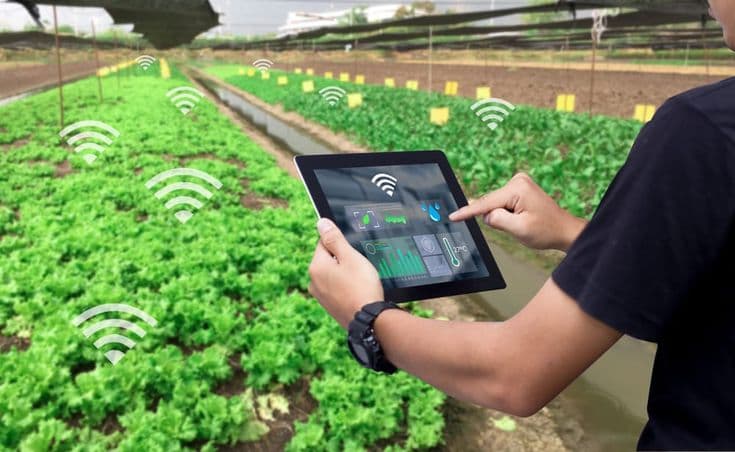
Smart gardening tools help prevent common mistakes like overwatering, underwatering, or planting in poor soil conditions. They also give new gardeners the confidence to experiment and grow a wider variety of plants.
In this article, we will explore the best smart gardening tools for beginners, explain what makes them genuinely useful, and outline how to integrate them into any type of garden space. You will also find a helpful guide on what to look for when shopping for smart gardening technology so you can choose products that are easy to use and well-suited to your needs.
Why Smart Gardening Tools Matter for New Gardeners
Before we look at individual tools, it helps to understand why smart gardening technology is so valuable for people who are just starting their gardening journey.
They help you water your plants correctly
Watering is one of the hardest skills for new gardeners to master. Smart irrigation systems and soil moisture sensors use real-time data to tell you when water is actually needed. This prevents wasted water and keeps plant roots healthy.
They provide reminders and automatic adjustments
Most smart tools come with companion apps that send notifications, adjust schedules, or track plant growth. This is incredibly helpful for people with busy schedules or those who worry about forgetting important tasks.
They teach you about your plants
Smart monitors gather information about light, soil composition, temperature, and humidity. Over time, beginners learn how these factors affect plant growth, which builds gardening confidence.
They offer consistent results
Even experienced gardeners benefit from automated tools because plants thrive on regular care. Smart systems ensure that your plants receive what they need, even when life gets hectic.
The Best Smart Gardening Tools for Beginners
Below is a carefully curated list of devices that are especially suitable for those new to gardening. These tools are simple to use, widely available in Australia, and offer excellent value. They strike the right balance between helpful automation and beginner-friendly learning.
1. Smart Irrigation Systems
Smart irrigation systems are one of the most transformative tools a beginner can invest in. They eliminate the need to remember watering schedules and adjust automatically based on weather and soil conditions.
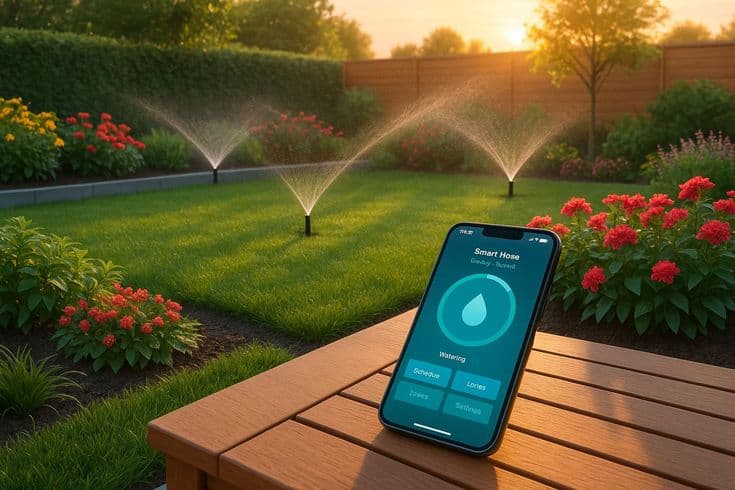
Key Features
• App-controlled watering schedules
• Weather-based adjustments
• Soil moisture integration
• Water-saving modes
• Suitable for lawns, garden beds, and patio pots
Why They Are Great for Beginners
New gardeners often water too much or too little. A smart controller automates the process entirely. Many products also connect with rain sensors, so you never water during or after a downpour.
Price Range
Typical entry-level models start around 120 to 200 AUD, while more advanced systems range from 300 to 500 AUD, depending on zone capacity.
Recommended Beginner Picks
• RainMachine Mini 8: Very user-friendly with a clean app interface.
• Orbit B Hyve: Excellent for budget-conscious gardeners and easy to install.
• Hunter Hydrawise: More advanced but very reliable, especially for larger yards.
2. Soil Moisture and Nutrient Sensors
These small sensors are ideal for container gardens, indoor plants, and vegetable beds. They track soil moisture, light, nutrients, and sometimes soil pH.
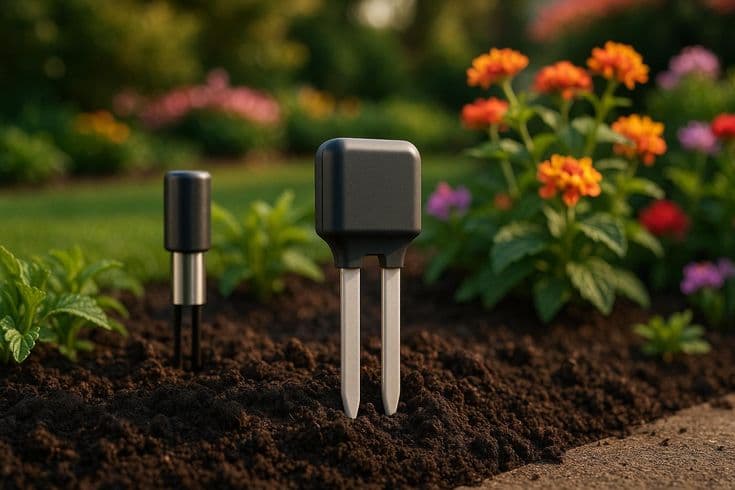
Key Features
• Real-time soil moisture readings
• Light and temperature detection
• App notifications when plants need watering
• Long battery life
Why Beginners Love Them
They remove the biggest uncertainty in gardening. Instead of guessing whether your plant needs water, the sensor tells you exactly when to act. This makes them especially useful for houseplants, succulents, and herbs.
Price Range
Most good-quality sensors cost between 40 and 100 AUD.
Popular Beginner-Friendly Models
• Xiaomi Mi Flora Plant Sensor: Affordable with reliable basic readings.
• VegTrug Smart Plant Sensor: Designed specifically for home gardeners.
• Ecowitt Soil Moisture Sensor: Great for outdoor pots and vegetable beds.
3. Smart Weather Stations
A smart weather station helps beginners understand how temperature, humidity, wind, and rainfall affect plant health. Many systems also feed data directly into your smart irrigation controller for better accuracy.
Key Features
• Tracks rainfall, temperature, humidity, and sunlight
• Sends data to your smartphone
• Integrates with smart irrigation systems
• Helps you plan planting and maintenance tasks
Why They Are Useful for Beginners
Weather variations can be confusing for new gardeners. By seeing daily patterns, you learn when to expect growth spurts, when pests are more active, and when plants need extra water.
Price Range
Smart weather stations typically range from 150 to 400 AUD.
Recommended Beginner Models
• Netatmo Weather Station: Very user-friendly with clean data visualisation.
• Eve Weather: Best for Apple HomeKit users.
• Ambient Weather WS 2902: Feature-rich and great value for money.
4. Smart Indoor Planters and Hydroponic Kits
These compact systems are perfect for apartment dwellers or anyone who wants to grow herbs or leafy greens with minimal effort. Everything is automated, including lighting and watering.
Key Features
• Built-in LED grow lights
• Self-watering reservoir
• Automated nutrient distribution
• Suitable for herbs, lettuce, and small greens
Why They Are Ideal for Beginners
Indoor smart planters are almost foolproof. They handle light, water, and nutrients automatically while taking up minimal space. The app or onboard indicators tell you exactly when to refill water or add nutrients.
Price Range
Expect to pay between 150 and 350 AUD for a high-quality starter kit.
Beginner-Friendly Options
• AeroGarden Harvest: Very popular and extremely simple to use.
• Click and Grow Smart Garden 3: Compact and perfect for small kitchens.
• VegeBox Smart Hydroponic Kit: Affordable and effective.
5. Robotic Lawn Mowers
For those with lawns, a robotic mower is one of the most impactful smart gardening tools. It handles mowing automatically and quietly, keeping your lawn consistently neat.
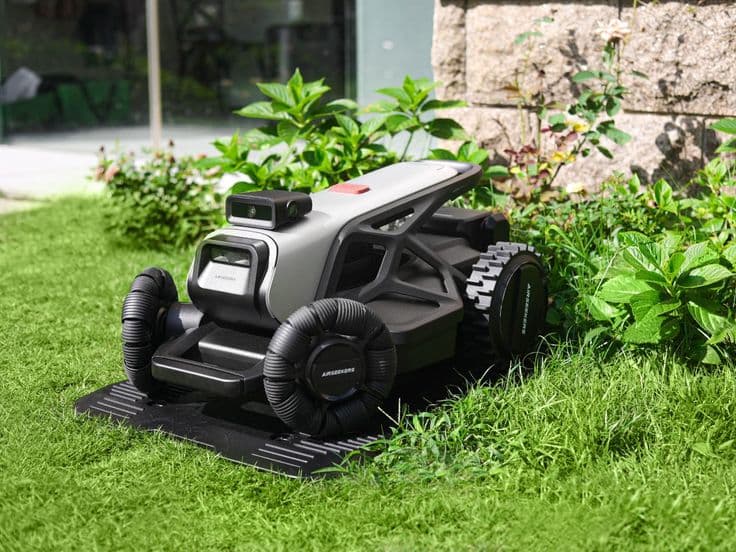
Key Features
• Automatic mowing schedule
• Obstacle detection
• Rain sensors
• App-controlled settings
• Quiet and energy efficient
Why Beginners Benefit
Robotic mowers prevent overgrown grass and significantly reduce weekend maintenance. They are safe, accurate, and ideal for people who want a tidy yard without the time commitment.
Price Range
Basic models start around 900 AUD, while more advanced units can exceed 2000 AUD.
Good Entry Level Picks
• Husqvarna Automower 105: Reliable and perfect for small to medium lawns.
• Worx Landroid S: Affordable with smart features.
• Yard Force Classic 500: A great beginner budget choice.
6. Smart Plant Monitors for Indoor and Outdoor Plants
Unlike simple soil sensors, smart plant monitors track multiple environmental factors at once and offer personalised care recommendations for each plant.
Key Features
• Monitors light, water, temperature, and soil conditions
• Provides plant-specific tips and reminders
• Great for houseplants, succulents, and ornamentals
• Syncs with databases containing thousands of plant species
Why They Are Perfect for Beginners
If you love indoor gardening but have lost plants before, these monitors will guide you step by step. You can set reminders, track improvements, and store notes for each plant.
Price Range
Most models range from 60 to 150 AUD.
Recommended Models
• PlantLink Smart Monitor
• Florabest Bluetooth Plant Monitor
• Bosch Smart Plant Assistant (emerging but promising)
7. AI-Powered Gardening Assistants and Apps
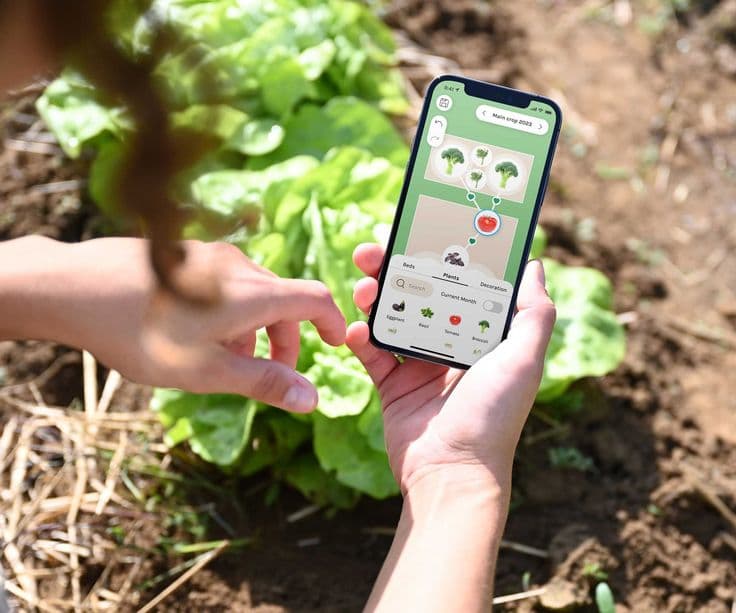
AI gardening tools work like virtual plant coaches. They analyse data from your garden, including weather patterns, light levels, and soil moisture, then turn it into simple care recommendations. Many apps can suggest watering schedules, identify pests or diseases from photos, and guide you on the best planting times for Brisbane’s climate.
Key Features
• Personalised care tips based on real conditions
• Pest and disease identification
• Watering and feeding reminders
• Plant library with species-specific advice
• Optional integration with sensors or smart devices
Why They Are Great for Beginners
AI removes much of the guesswork by turning complex data into clear, easy steps. Instead of interpreting charts or measurements, beginners receive straightforward instructions like “water today” or “move the plant to brighter light”. It helps new gardeners build knowledge quickly while avoiding common mistakes.
Price Range
Most AI apps are free with optional paid features, typically between 5 and 15 AUD per month for advanced tools.
Recommended Beginner Friendly Options
• SmartPlant
• Planta
• Garden Manager style apps with AI-powered diagnostics
What to Look for When Buying Smart Gardening Tools
Not all smart gardening devices offer the same level of quality, accuracy, or ease of use. The best smart gardening tools for beginners are reliable, intuitive, and designed to simplify your daily routine rather than complicate it. Before purchasing anything, take the time to compare features, read reviews, and think about how each tool will fit into your space and gardening style. Below are the most important factors to consider.
Connectivity Options
Most smart gardening tools rely on WiFi, Bluetooth, or, in some cases, Zigbee. WiFi offers the most flexibility because it allows you to monitor or adjust your system from anywhere, even when you are not at home. This is perfect for irrigation systems, weather stations, and robotic mowers. Bluetooth is better suited to small spaces like balconies or indoor gardens, where you remain close to the device. Zigbee can be very stable but requires a smart hub, which may feel overwhelming for beginners. Whatever you choose, make sure your WiFi signal reaches your garden so your tools remain connected consistently.
Device and App Compatibility
Your smart gardening device is only as useful as the app that controls it. Make sure the tool works with your smartphone operating system and supports popular integrations like Google Assistant or Alexa. Voice control can be surprisingly practical when your hands are full of potting mix. Also, check whether the app allows multiple users, which is helpful for households where more than one person handles plant care. Some tools also integrate with wider smart home ecosystems, allowing you to connect watering schedules to weather forecasts or sunrise times.
User-Friendly App Interface
An app is the heart of any smart gardening tool, so a clean and intuitive interface matters a lot. Look for apps with clear icons, simple dashboards, and straightforward data displays. Beginners will appreciate visual cues such as colour-coded moisture levels or step-by-step setup guides. Avoid tools that rely on technical jargon or confusing menus because they tend to create frustration and reduce the chances of long-term use. Bonus points go to apps that offer plant care tips, seasonal reminders, or educational insights.
Sensor Accuracy
For soil sensors, light meters, and plant health monitors, accuracy is critical. A sensor that gives inconsistent readings can lead to poor decisions, like unnecessary watering or incorrect plant placement. Read reviews that focus specifically on accuracy and responsiveness. Also, check how frequently the device updates its readings. More frequent updates provide a clearer picture of what your plants need, especially during hot Brisbane summers when the soil dries out quickly.
Maintenance Requirements
Maintenance is an often-overlooked part of smart gardening tools. Some devices require periodic firmware updates, battery replacements, recalibration, or cleaning. Sensors placed in soil may need occasional wiping to remove mineral buildup. Robotic mowers need blade sharpening and simple cleaning every few weeks. Beginners should look for tools with long battery life, automatic updates, and minimal calibration. The easier the device is to maintain, the more consistently you will use it.
Weather Resistance
Outdoor tools need to withstand Brisbane’s blend of intense sun, humidity, and sudden rain showers. Look for devices with weather-resistant casings, UV protection, and splash-proof or waterproof ratings. Irrigation controllers, robotic mowers, and outdoor sensors should all have strong durability ratings to avoid electrical issues or cracks caused by sun exposure. A good weather rating ensures long-term reliability and reduces the need for repairs or early replacement.
Local Support and Warranty
Buying from brands with reliable customer support in Australia can make a big difference. If something goes wrong with your sensor or irrigation controller, it is much easier to troubleshoot with accessible service teams and local warranty options. Beginners should prioritise brands with clear setup guides, responsive customer service, and spare parts that are easy to source locally.
Expandability and Future Proofing
Some gardeners start with one smart tool and expand over time. If you think you might add more devices later, choose tools that can grow with you. Many smart irrigation systems allow you to add more zones as your garden expands. Some indoor planters allow additional LED light extensions or accessory pods. Choosing devices built on flexible platforms ensures your setup remains useful as your gardening skills and collection grow.
How to Integrate Smart Gardening Tools into Your Home Garden
Smart gardening technology becomes most effective when it fits naturally into your space and daily routine. Here are practical tips for incorporating these tools into different garden setups.
For Small Patios and Balconies
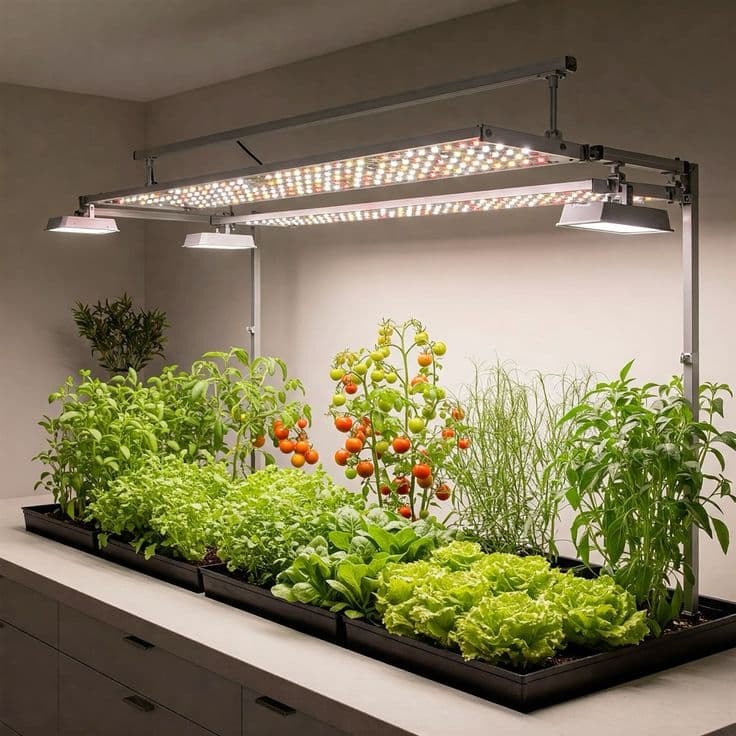
If you only have containers or railing planters, start with soil moisture sensors and a compact smart irrigation setup. Indoor hydroponic kits also work beautifully in apartments and ensure a steady supply of fresh herbs. Keep your sensors at the root level for accuracy, and try placing planters where your WiFi signal is strongest.
For Potted Plants Around the Home
A combination of smart plant monitors and a small drip irrigation system can keep potted flowers and herbs healthy without constant manual checks. Many indoor planters have built-in sensors, too, making them excellent for beginners. Use your app notifications as your main guide instead of watering on a calendar schedule.
For Vegetable Beds
Vegetable gardens benefit greatly from smart irrigation. Connect your soil sensors to your watering system if possible. Plants like tomatoes, capsicums, and cucumbers respond especially well to consistent moisture. A smart weather station can also help you adjust planting schedules based on seasonal temperature changes.
For Lawns
Robotic mowers can take over the biggest outdoor chore. Install the boundary wire carefully for best results, and use app scheduling to avoid mowing during peak outdoor use times.
Tips for Getting the Most Out of Your Smart Gardening Tools
• Start with one or two tools before expanding your setup.
• Use routine app check-ins as a learning tool.
• Place sensors directly in the root area.
• Follow manufacturer instructions carefully for calibration.
• Keep firmware updated for smooth performance.
• Review early warnings from your tools to prevent plant problems before they worsen.
Final Thoughts
Smart gardening tools can give beginners a huge boost in both confidence and success. Whether you are growing a few herbs indoors or caring for a backyard vegetable patch, technology can fill in the knowledge gaps and make plant care far easier. From automated watering and weather tracking to nutrient monitoring and robotic mowing, there are solutions for every type of gardener and every budget.
Choosing the best smart gardening tools and gardening apps for beginners is all about finding products that match your lifestyle, space, and level of experience. With thoughtful integration and a willingness to learn, these tools can turn a novice into a thriving gardener in less time than you might expect.