A Week in a Smart Garden: How Technology Is Changing Flower Care
There is a particular kind of dread that strikes a home gardener on a Tuesday morning. You peer out the kitchen window, mug of tea in hand, and notice that your beloved patch of gardenias and zinnias is looking ever so slightly sorry for itself. The leaves are droopy, the soil looks dry, but then again it did rain on Sunday. Or was that Saturday? Did you water yesterday, or was that the veggie patch? You head outside, crouch down, poke the soil with your finger, shrug, and water anyway, just in case.
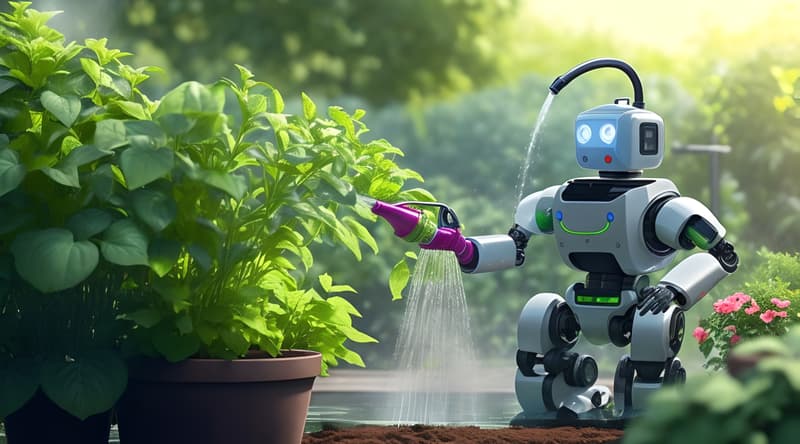
Image by Faisal Mehmood from Pixabay
This is traditional flower gardening in a nutshell. Beautiful, intuitive, deeply satisfying, and quietly full of guesswork. Most gardeners know this feeling well: the sense that you are doing your best, but also making at least half your decisions on instinct, habit, and hope.
For generations, Brisbane home gardeners have relied on instinct, experience, and the occasional anxious Google search to keep their gardens alive. And for the most part, it works. Gardens survive. Flowers bloom. But plants also silently suffer through overwatering, heat stress, and sit in awkward little pockets of shade or dampness that the gardener may not fully notice until something starts to fail.
Gardening in Brisbane comes with its own particular set of challenges that make that guesswork even trickier. The subtropical climate is generous in many ways: long growing seasons, warm winters, and enough sunshine to keep most flowering plants genuinely happy. But it also brings sustained heat and humidity through summer, the constant threat of plant diseases, soils that swing between waterlogged and bone dry depending on the week, and the unpredictability of afternoon storms. Knowing when to water, when to hold off, and when to act on what you are seeing is genuinely difficult here, even for experienced gardeners.
The humidity alone changes everything. In a dry southern climate, a wilting plant almost always means it needs water. In Brisbane, wilting can mean drought stress, heat stress, root rot from overwatering, or simply the plant responding to a hot, steamy afternoon before bouncing back by evening. Reading those signs correctly takes experience, and even experienced gardeners get it wrong. A flower bed can look fine from the path and still be telling a very different story below the surface.
Over the past few years, a smarter kind of gardening has quietly taken root in suburban backyards across the city. It does not require a degree in horticulture or expensive gear. It starts with something as simple as a twenty-dollar soil moisture sensor, a weather app on your phone, and the habit of paying a different kind of attention. This is smart gardening for flowers, and it is less about replacing the joy of getting your hands dirty and more about giving those hands better information to work with.
To understand what this looks like in practice, let us follow one garden bed through a single week. The bed is in a north-facing backyard in Mitchelton, in Brisbane's inner northwest. It is planted with gardenias, zinnias, pentas, and a cluster of salvias that have been stubbornly refusing to thrive.
The gardener is Clare, in her mid-forties, who has been gardening seriously for about eight years. After losing a beautiful gardenia to what she suspects was a combination of overwatering and poor drainage during last summer's wet season, she decided to give basic garden monitoring tools a proper try. She is not trying to turn her garden into a science project. She simply wants fewer mysteries, fewer preventable mistakes, and a better sense of what her flower bed actually needs.
Her setup is modest: two capacitive soil moisture sensors, a light-tracking app on her phone, the Bureau of Meteorology weather app, and a Bluetooth thermometer and hygrometer she picked up from the hardware store for under thirty dollars. No smart irrigation, no automated anything. Just data, to inform the decisions she was already making by feel.
The week we are following takes place in mid-October, right as Brisbane's dry season gives way to the build-up. Days are getting longer and hotter, humidity is creeping up, and the first storms of the season are starting to rumble through on afternoons. It is one of the most interesting and demanding times of year to be a Brisbane flower gardener, which makes it an ideal moment to see what technology can and cannot do.
The question Clare is trying to answer is simple: Does having this information actually change what she does?
Monday: Baseline Day
Conditions: Mostly sunny, 29 degrees, humidity at 68%. Storm possible Thursday afternoon.
Clare starts Monday with a slow walk around the bed, checking her tools before she does anything else. The BOM app shows a clear picture for the week: mild Tuesday and Wednesday, a storm risk Thursday afternoon, and humidity climbing every day through to the weekend. This single glance shapes her whole week's planning before she has touched a plant. Knowing Thursday is likely to bring a storm means she can think ahead about watering timing, rather than making decisions reactively on the day. Even before she checks the soil, she already feels slightly more organised than usual.
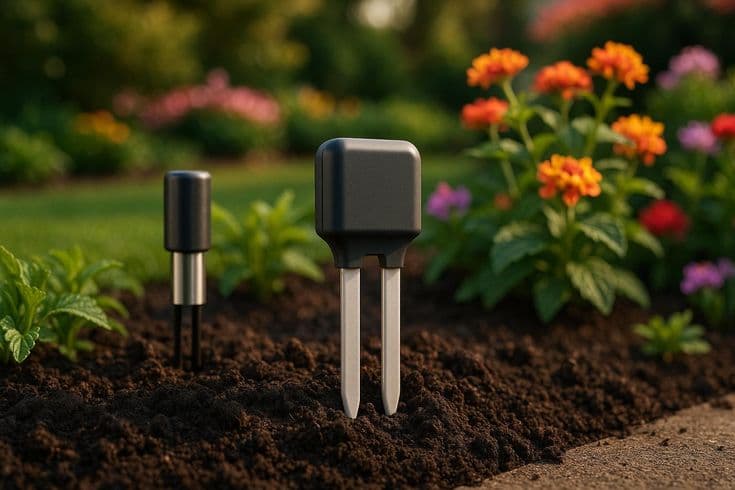
Image source: Pinterest
Her two soil moisture sensors are pushed into the ground at different points in the bed. One sits near the gardenias on the eastern end, in the heavy reactive clay common to many Mitchelton gardens. The other is in the zinnia and pentas centre, where the soil is slightly sandier and better draining, the result of some amending a previous owner had done.
Both sensors work by sending a tiny electrical signal through the soil and measuring how that signal changes. They are not laboratory instruments, and soil type can affect the readings slightly, but for home garden use, what matters is the trend over time: is moisture going up, going down, or holding steady? Once you learn to read trends rather than fixate on individual numbers, the sensor becomes a genuinely useful tool.
Monday morning, the gardenia sensor reads 44% and the zinnia centre reads 39%. On Clare’s sensors, readings in roughly this range have come to mean the bed is holding moisture comfortably, but exact numbers vary with soil type, plant type, sensor model, and placement. Too low and plants become stressed, their cells losing the internal pressure that keeps them upright and productive. Too high, especially in Brisbane's warm humidity, and roots are starved of oxygen and become vulnerable to fungal rot.
Gardenias are particularly sensitive to this. They are one of Brisbane's most popular and fragrant garden flowers, but they have a well-earned reputation for being difficult. In most cases, that difficulty comes down to drainage and overwatering rather than any real finickiness on the plant's part.
At 44%, the gardenias are sitting comfortably. At 39%, the zinnias are on the lower end but not yet showing any stress. Clare decides not to water today. Before the sensors, she says, she almost certainly would have watered the zinnia end of the bed. The soil looked dry on top from the weekend wind, and she would have followed her instinct.
She also spends five minutes with her light-tracking app, logging readings at three points across the bed. The zinnia and pentas centre is getting strong, direct sun through most of the day, which both plants love. The gardenias are getting good morning light but are sheltered from harsh afternoon sun by the back fence, which is quite good for them: gardenias prefer bright conditions in the morning and protection from the most intense western heat in the afternoon. And the salvias, which usually like full sun, are sitting in dappled shade for much of the morning because a large Lomandra has quietly grown into their space over the past two years.
This, Clare thinks, might explain a lot about why those salvias have never quite performed the way she expected. She makes a note to investigate further through the week.
Tuesday: The Overwatering Discovery
Conditions: Sunny and humid, 31 degrees, humidity sitting at 74% by midday.
Tuesday morning, the gardenia sensor has jumped from 44 to 57% overnight. It did not rain. Clare did not water. She goes outside and crouches near the sensor, pressing her fingers into the soil around it. It feels noticeably wetter than the surrounding area. Looking carefully along the fence line, she spots a slight slope running from the neighbour's raised garden bed. When it rained on the weekend, water had been quietly pooling and draining directly into her gardenia root zone.
Without the sensor, she never would have caught this. The soil surface looked completely normal. The gardenias themselves looked healthy. But the sensor was quietly reporting that the root zone was staying wetter than it should, and had been accumulating extra moisture every time it rained.
This matters enormously for gardenias. A common reason they decline in Brisbane gardens is root rot caused by poor drainage and accumulated soil moisture.
In warm, humid conditions, prolonged waterlogging raises the risk of root diseases, including problems caused by pathogens such as Phytophthora. The plant can look perfectly healthy right up until it quite suddenly does not, and by that point, the root system is often badly compromised. By the time a gardenia shows yellowing leaves, brown leaf edges, or sudden wilting that does not recover overnight, whatever went wrong underground has usually been happening for weeks or even months.
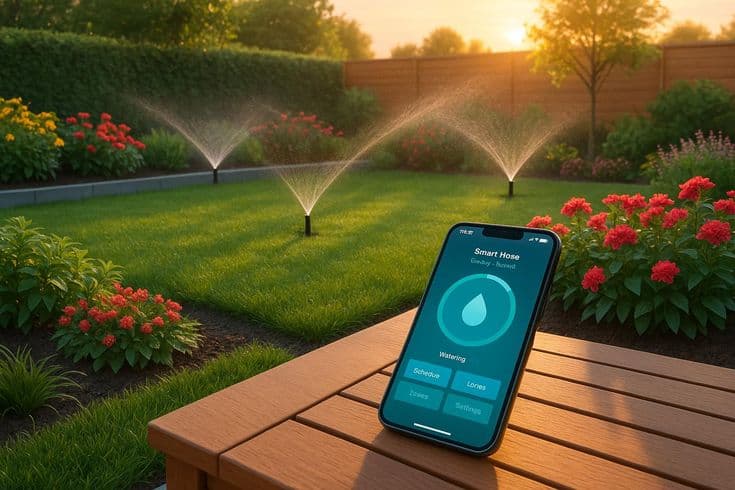
Image source: Pinterest
Catching excess moisture early, before visible symptoms appear, is exactly the kind of early warning that makes soil monitoring genuinely valuable for Brisbane flower gardeners. And that is precisely what the sensor has just done.
Clare makes a plan to fix the drainage issue over the weekend. She does not water either section today. The humidity is high enough that evaporation from the soil surface is much slower than it would be on a dry winter day, and both sensors are telling her the plants have what they need. She photographs the gardenias carefully, noting the current foliage colour and condition as a baseline to compare against once the drainage fix is done.
Wednesday: Watching the Light
Conditions: Hot and humid, 33 degrees, partly cloudy. A heavy, still kind of day that feels like the build-up is properly arriving.
Wednesday is a day of observation rather than action. Clare wants a clear picture of how light and heat are distributed across the bed at different times of day, particularly after Monday's light-tracking results raised questions about the salvias and their shrinking share of direct sun.
She walks the bed with her app at three different times: seven in the morning, midday, and three-thirty in the afternoon. What emerges is a garden bed that is actually three different microclimates stitched together.
The zinnias and pentas centre is in strong, direct sun for most of the productive day, which both those plants genuinely love. The gardenias are getting good morning light but are sheltered from the harshest afternoon glare by the back fence, which turns out to be great positioning. And the salvias are in broken shade for much of the morning and again through the hottest part of the afternoon, the Lomandra's canopy clipping their access to direct light far more than Clare had realised when she first planted them three years ago.
By mid-afternoon, she uses her Bluetooth thermometer to take spot readings at the soil level. The zinnia centre, fully exposed to the western sun, reads 36 degrees at soil level. The gardenia end, sheltered by the fence, reads 32 degrees. The salvia corner, shaded by the Lomandra, reads 31 degrees. That is a five-degree difference across a single garden bed.
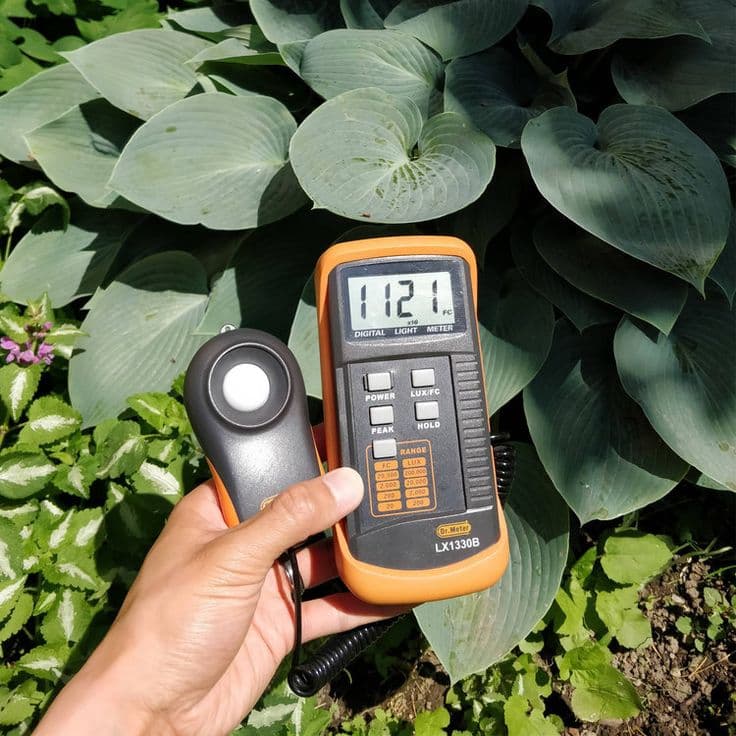
Image source: Pinterest
In Brisbane's humid subtropical conditions, this kind of temperature variation matters consistently, not just on extreme days. Very high soil temperatures can stress root systems, speed up drying, and add to plant stress in exposed parts of the bed. Understanding these gradients across a bed directly affects which plants will thrive where, and how you manage watering and mulching in each zone day to day.
Clare also notices something that the data confirms rather than reveals: the pentas are perfectly positioned. Pentas are one of Brisbane's most rewarding and reliable flowering plants, blooming almost continuously through the warm months, attracting butterflies and native bees, and handling heat well as long as they have adequate moisture and good air circulation. Their current position, in full sun with good airflow, is ideal, and the light data backs this up clearly.
As for the salvias, Clare is beginning to form a new theory. Perhaps they are not in the wrong spot because of the shade. Perhaps the Lomandra's canopy is actually protecting them from the worst afternoon heat, which in Brisbane can genuinely punish plants that prefer more temperate conditions. The problem might lie elsewhere: root competition from the Lomandra, inconsistent moisture, or a lack of the right nutrients. She decides to test this theory carefully before moving anything.
Thursday: Storm Day
Conditions: Oppressive morning, 34 degrees, humidity at 82%. Severe storm warning issued for the afternoon.
Brisbane storm days have a particular feeling. The morning is often eerily still and thick, the sky a flat bright white rather than blue. By early afternoon, the clouds start building to the southwest, and by three or four o'clock, the sky turns that distinctive yellow-green that experienced Brisbane residents recognise immediately. Everything goes quiet just before it hits.
Clare checks her sensors first thing. The zinnia centre reads 40%, the lower end of comfortable. The gardenia zone reads 54%, still elevated from the runoff issue she identified on Tuesday. She waters the zinnia and pentas centre only, giving it a slow, deep soak at the base of the plants before the heat builds. The gardenia zone gets nothing. She uses a watering wand rather than a sprinkler, directing water to the root zone and keeping the foliage dry, which helps reduce fungal risk in already humid conditions.
This is a decision that would have been genuinely difficult without the sensor data. On a hot, humid day with a storm forecast, the instinct might be to water everything generously before the heat, or to hold off entirely because rain is coming. The sensor gives her a clearer answer: one zone needs water, one does not, and she can act with precision rather than guessing.
The storm arrives at quarter to four. It is big, dramatic, loud, and over in about twenty-five minutes. The garden smells extraordinary afterwards, that rich Brisbane petrichor that makes all the humidity worthwhile. Clare checks her sensors within an hour of the storm passing. The zinnia centre has gone from 40 to 53%. The gardenia zone has gone from 54 to 66%.
That eastern reading gives her pause as 66% is above the comfortable upper limit for gardenias, and she knows the runoff from the neighbour's raised bed will have contributed additional moisture on top of what fell directly. The drainage fix over the weekend is no longer a plan. It is urgent.
This moment also illustrates one of the most important lessons for any Brisbane gardener: afternoon storms are deeply unreliable as a source of root zone moisture. A storm that looks significant on radar may deliver much less useful water to your garden than you expect. Short, intense downpours on clay or compacted soil often produce significant surface runoff, with very little water actually penetrating to where roots are. Always check your sensors after a storm rather than assuming your garden has been properly watered. The numbers tell a very different story more often than you would expect.
After the storm passes, Clare checks the foliage of all her plants. Fungal disease is a genuine and immediate concern in Brisbane's post-storm conditions. Powdery mildew, black spot, and various leaf spot diseases thrive in exactly these circumstances: wet leaves, warm temperatures, and saturated air. She sees nothing concerning tonight but photographs the gardenias and salvias as a reference point for the days ahead. She will be watching carefully over the weekend.
Friday: Reading the Patterns
Conditions: 27 degrees, partly cloudy, humidity easing slightly to 71%. A welcome relief after the week's intensity.
Friday morning, the sensors read 46% in the zinnia centre and 59% in the gardenia zone. Both are within range, coming down steadily. No watering needed anywhere. Clare spends the morning reviewing the week's data as a complete picture, going back through the simple log she has been keeping in her phone's notes app: date, sensor readings, temperature, humidity, what action she took and why.
Read as a set, the data tells stories that were invisible day to day. The sandy-amended zinnia centre dries out predictably, responds well to watering, and has stayed consistently within a healthy range throughout the week. That zone is working well, and the data confirms what the plants' performance already suggested. The zinnias are bright and vigorous. The pentas have not stopped flowering.

Image source: Pinterest
The clay gardenia zone is more complicated. It holds moisture for much longer, recovers from saturation slowly, and is vulnerable to anything that adds extra water to the system, like the neighbour's runoff. As the wet season approaches and storms become more frequent and heavier, this zone will need active management rather than passive monitoring. Clare needs that drainage fix done before the big rains arrive.
The salvias remain the most interesting case in the bed. Partial shade, root competition from the Lomandra, inconsistent moisture, and yet they look more alert and healthy this week than they have in recent memory. The cooler microclimate the Lomandra creates is clearly providing some protection from the harshest afternoon heat.
Clare decides she will move just two of the smaller salvias to a better-lit spot as a test, and leave the rest in place. If the moved plants outperform the ones that stay, the shade theory is wrong, and the full group should move. If the ones that stay continue to improve, she will rethink the bed's layout entirely and possibly replace the Lomandra with something less competitive.
This is the core value of smart gardening for flowers. It does not give you magic answers, but it gives you better questions and the data to test them properly. Instead of reacting to damage you can already see, you are responding to conditions before they become problems, and building an understanding of your garden that improves with every week of observation.
Saturday: Putting It Together
Conditions: 26 degrees, light cloud, low humidity. A perfect Brisbane gardening morning.
Saturday is for hands-on work, and Clare has a clear plan shaped entirely by what the week's data revealed. She starts with the drainage fix at the eastern gardenia end. She digs a shallow channel about ten centimetres deep along the fence line, redirecting the neighbour's runoff away from the gardenia root zone and toward a lower section of the lawn.
She fills the channel with coarse gravel to keep it stable, then works a generous mix of coarse sand and compost through the top twenty centimetres of soil around the gardenias. Breaking up clay soil properly is a gradual process rather than a one-time fix, but improving its structure meaningfully will make a real difference to drainage over the wet season ahead.
While working around the roots, she notices something she would never have thought to look for before this week: she notices a few fine roots near the surface look softer and less robust than she expected, which reinforces her suspicion that the area has been staying too wet. Not serious damage, but confirmation that the runoff problem has been affecting the plants underground before anything showed above ground. She is catching this at the right time, before the root system is compromised.
She also moves two of the smaller salvias to the spot Wednesday's light data identified: better morning sun, out of the Lomandra's main shadow zone, but still sheltered from the most intense afternoon heat. It is a hypothesis that the week's observations suggested. If those two plants show noticeably better growth and flowering over the coming month, the rest will follow.
Finally, she refreshes the mulching across the whole bed. In Brisbane, mulch does an important job beyond simply retaining moisture. It moderates soil temperature, reducing the surface heat that builds up in exposed soil on hot afternoons. It also reduces the splash of soil onto leaves during heavy rain, which is one of the main ways fungal spores travel from the soil surface up onto the plant.
Clare uses sugarcane mulch, widely available across southeast Queensland, applied at about eight centimetres deep and kept slightly away from stems and trunks to allow air circulation at the base of each plant. A good mulch layer in a Brisbane summer can lower soil surface temperatures and reduce fungal disease risks. It is one of the most effective and underrated things a Brisbane flower gardener can do, and the data from this week has made Clare more deliberate about where and how thickly she applies it across different zones of the bed.
Sunday: A Moment to Reflect
Conditions: 25 degrees, clear sky, light easterly. A beautiful Brisbane morning.
Sunday is Clare's day to sit in the garden rather than work in it. She makes a cup of tea, pulls out the old wooden chair near the pentas, and simply watches. The pentas are doing what they always do on a fresh morning: covered in small star-shaped flowers in deep pink and red, alive with tiny native bees moving methodically from cluster to cluster. The zinnias are bright and upright. The gardenias have buds forming that she had not noticed earlier in the week. Even the two relocated salvias look, to Clare's perhaps optimistic eye, like they are already settling in.
She reviews her week's log one final time. In seven days, she watered once deliberately, the zinnia centre on Thursday morning ahead of the storm. She did not water the gardenia zone at all. She identified a drainage problem she had been completely unaware of, caught early signs of root stress before any above-ground symptoms appeared, gathered light data that changed how she thinks about multiple plants in the bed, confirmed a significant temperature differential between zones that will shape how she manages the bed through the wet season, and learned how a typical Brisbane afternoon storm moves the moisture dial in different soil types.
None of this required expensive technology. Her total outlay was under a hundred dollars, and every decision was still made by her own judgment, just informed by better data than she had before.
The Honest Pros and Cons of Smart Gardening for Flowers
Smart gardening tools have genuine strengths and real limitations, and Clare's week illustrates both clearly.
What actually helps:
Early detection is the biggest benefit. Sensors catch problems in the root zone before they become visible above ground. In Brisbane's climate, where warm temperatures and heavy clay soils can hide root rot until it is well advanced, this early warning is particularly valuable. The gardenia discovery on Tuesday is a perfect example: no visible symptoms, but a problem already developing underground.
Confidence in not watering is the second major win. Overwatering is one of the most common causes of flower death in Brisbane gardens, and it is a deeply counterintuitive mistake because watering feels like caring. When your sensor reads 54%, and your gardenias look slightly droopy in the afternoon humidity, you can trust the data and leave them alone. That confidence is hard to develop from instinct alone, especially for newer gardeners.
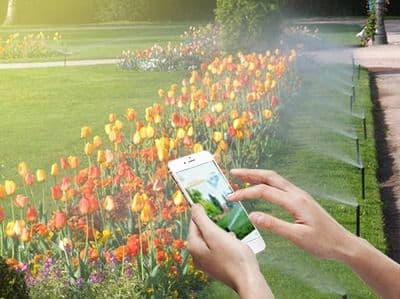
Image source: Pinterest
Light tracking reveals the microclimates within your garden that explain why some plants perform differently from others. In Brisbane, where rapid plant growth can completely reshape a bed's light environment within a few seasons, this kind of audit is genuinely eye-opening and often overdue.
Weather integration shifts your gardening from reactive to proactive. Knowing a storm was coming on Thursday gave Clare the ability to water strategically on Thursday morning and make deliberate decisions about what to do with the post-storm readings. That lead time changes how you manage everything from watering to fungal prevention.
Water savings are a real and practical outcome. By watering only when sensors indicate it is actually needed, and verifying post-storm moisture levels before deciding whether to supplement, Clare estimates she uses roughly 30% less water on her flower beds than before. In a city that has lived through serious water restrictions and where summer water bills climb quickly, that matters.
Newer AI-powered gardening tools are also starting to appear, from plant-care apps that interpret photos and weather patterns to systems that suggest watering schedules based on past conditions. They can help spot patterns or offer reminders, but they still work best as support tools rather than replacements for observation and hands-on experience.
What does not work as well:
Sensors need a calibration period. In your first couple of weeks, you are learning what the numbers mean in your specific soil. A reading of 50% in clay behaves very differently to 50% in sandy amended soil, and you need some time to build that understanding.
Light-tracking apps are useful for identifying patterns but are not precision instruments. For general pattern-finding, they are excellent. For highly specific planting decisions, cross-reference what the app shows with your own careful observation over several days.
The tools only deliver value with consistent use. Checking sensors enthusiastically for three weeks and then drifting back to old habits means losing the trend data that makes monitoring genuinely useful. The new habits take time and intention to establish.
Some problems sensors detect are still difficult to fix. Identifying a drainage issue is valuable. Actually improving drainage in established clay soil requires real physical effort and time.
And no technology replaces observation, experience, and botanical knowledge. Knowing which fungal symptoms need treatment and which resolve on their own, understanding what heat wilting looks like versus root stress wilting, recognising the particular colour a gardenia leaf turns when the pH is too high: these are skills that develop from years in the garden. Smart gardening for flowers adds a layer of data to that foundation. It does not replace the foundation itself.
A Practical Guide to Getting Started with Smart Gardening for Flowers
Step one: Start with one sensor in your most important bed.
Choose the spot where you have had the most trouble: repeated plant losses, one area performing poorly compared to another, or a persistent mystery. Push a capacitive soil moisture sensor into the root zone and read it daily for two weeks before you change anything. The goal first is simply to understand what the numbers mean in your soil and your specific Brisbane microclimate.
Step two: Actually use your weather app for garden planning.
The BOM app is free, reliable, and essential during Brisbane's storm season. The radar is particularly valuable: check it before you water, and check your sensors after every storm before assuming the rain has done the job. It often has not.
Step three: Do a light audit.
On a clear day, check the light at different points in your bed at early morning, midday, and mid-afternoon. Note where shadows fall and at what time. This reveals the microclimates within your garden that explain why some plants thrive and others struggle, and it costs nothing but an hour or two of your time.
Step four: Keep a simple garden log.
A notes app or a small notebook by the back door is all you need. Record date, temperature, humidity, sensor readings, whether you watered and why, and anything unusual you noticed. After a month, the patterns that are invisible day to day become very clear when you read them as a whole.
Step five: Add a hygrometer for problem areas.
In Brisbane, humidity drives many of the most common gardening problems. A small Bluetooth thermometer and hygrometer for around twenty-five to thirty dollars will show you how conditions vary across your garden and help you anticipate periods of high fungal pressure before problems appear.
Tools worth trying in Brisbane:
Soil Monitoring - Moisture sensors are widely available, popular among gardeners and reasonably priced. A high-quality moisture sensor will give you solid directional moisture data for a home garden bed.
Light Tracking - The Sun Seeker app is excellent for Brisbane gardeners because it shows how the sun path shifts between summer and winter, which is more significant here than many people realise. It helps you plan planting positions around seasonal light changes, not just current conditions.
Weather - The BOM app is very reliable for southeast Queensland forecasting. If you want hyperlocal data for your specific suburb, Weather Underground draws on a network of personal weather stations and can sometimes offer a more local picture, especially in Brisbane, where a few kilometres can make a real difference to rainfall totals.
Smart Irrigation - Watering systems, such as Orbit B-Hyve and Gardena Smart Irrigation, can automate irrigation by linking watering schedules to weather data and, in some setups, soil conditions. That means they may delay or skip watering after rainfall, rather than running on a fixed timer regardless of what the garden actually needs. If you are managing a larger garden or simply have a busy schedule, this kind of automation can be especially useful during Brisbane's wet season, when deciding whether to water or hold off can change from day to day.
Humidity Monitoring - A basic Bluetooth thermometer and hygrometer from any hardware store will do the job here. Look for one that logs readings over time so you can spot patterns, not just check the current number.
If you found the tools mentioned above useful, also check out this list of the top 12 gardening apps that can help your flowers thrive!
Technology as a Gardening Language
There is a temptation to frame garden technology as the logical endpoint of gardening: data replacing intuition, sensors replacing experience, automation replacing effort. That framing misses the point entirely.
What Clare's week really shows is that integrating technology into gardening practices gives you a new language for something you were already trying to understand. You already sensed the gardenias struggled after heavy rain. Now you can say precisely: the eastern sensor reads above 60% after storms, the clay drains slowly, and the neighbour's runoff adds to the problem before you even know it has rained over the fence. That is not a replacement for gardening knowledge. That is gardening knowledge, made specific and actionable.
Image source: Pinterest
The light-tracking data did not reveal something Clare had no idea about. She knew the Lomandra had grown. She suspected the salvias were getting less sun than they used to. The app made that suspicion concrete, gave it a time-of-day shape, and helped her act on a decision she had been putting off for two full growing seasons.
None of this replaced sitting in her garden on a Sunday morning, watching native bees work through the pentas, feeling the easterly breeze, catching the first gardenia fragrance as the sun hits them. The lived experience of a garden is irreplaceable. Smart gardening for flowers is simply a way of understanding your garden more completely, so that when you do get your hands in the soil, you are working with better information and making better decisions. The joy is still entirely yours. The data just helps you protect it.
A Final Word
If you have ever lost a plant you loved to a problem you could not quite diagnose, a gardenia that slowly declined without an obvious cause, salvias that never quite performed, flowers that dropped buds during a hot spell you thought you had managed well, then the kind of monitoring Clare did this week might offer you something genuinely useful. Not certainty, because gardening is never certain. But clarity. A better picture of what is actually happening underground and in the microclimates you cannot see with the naked eye.
Start small. One sensor. One week of daily readings. A weather app you actually check before you water, and again after every storm.
You might find, as Clare did, that the data does not change your relationship with your garden so much as it deepens it. The flowers are still the same. The soil still smells extraordinary after a Brisbane storm. The bees are still going about their business regardless of what any app says. But you understand the system a little better, you act with a little more confidence, and when something goes wrong, you have a much better chance of catching it before the damage is done.
That seems like a fair trade for a twenty-dollar sensor and the habit of checking your phone before you pick up the hose.
Happy smart gardening!