How to Make Your Fresh Flowers Last Longer at Home
There is something quietly magical about a fresh bouquet sitting on the kitchen table or brightening up a living room windowsill. Cut flowers have an extraordinary ability to lift a mood, mark an occasion, and transform a space, yet one of the most common frustrations people share is watching that beauty fade far too quickly.
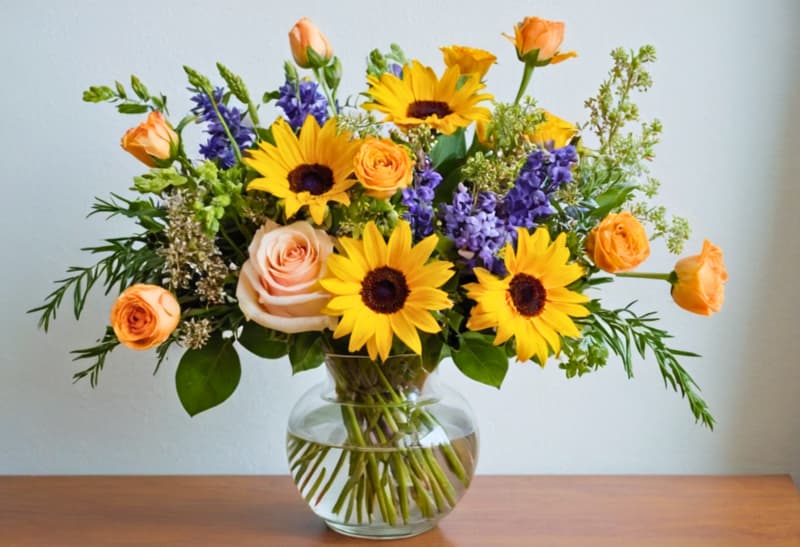
Image by Mohammad Hamide from Pixabay
The good news? With a handful of simple, science-backed techniques, you can significantly extend the life of your blooms and enjoy truly long-lasting flowers in your home for days, sometimes even weeks, longer than you might expect. This guide covers everything you need to know, from the moment you receive your arrangement to the daily habits that keep flowers fresh and vibrant.
But here's something worth knowing before we dive in: longevity begins long before you place your blooms in a vase. The freshness and quality of the flowers you start with matter enormously, which is why sourcing your blooms from a reputable florist is the very first step to getting the most from every bunch.
Why Do Cut Flowers Wilt? The Simple Science Explained
To care for cut flowers effectively, it helps to understand why they decline in the first place. Once a flower is separated from its plant, it loses access to the root system that was steadily delivering water and nutrients. From that moment, the stem must do all the work of hydrating the bloom, and it's a job that becomes harder as time goes on.
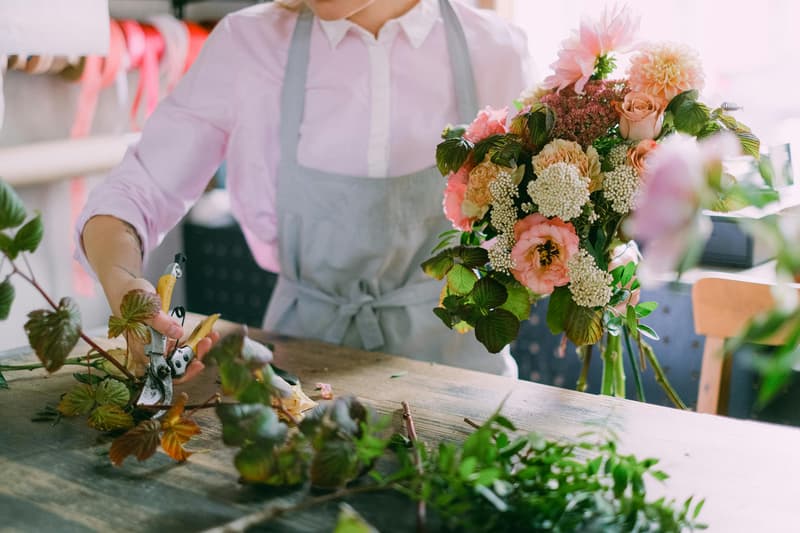
Photo by Anna Shvets
There are three main culprits behind wilting:
Blocked water uptake: When stems are cut, air bubbles and dried tissue can form at the cut end, preventing the flower from drawing water efficiently.
Bacterial build-up: Microorganisms in vase water multiply rapidly, clogging stem cells and releasing harmful by-products that accelerate decay.
Environmental stress: Heat, direct sunlight, dry air, and ethylene gas (released by ripening fruit and some appliances) all speed up the ageing process in cut flowers.
Understanding these factors is important because every care tip in this guide directly addresses one or more of them.
Start Right: Choosing High-Quality Flowers From a Trusted Source
Even the most diligent home care routine cannot fully compensate for flowers that were already past their best when they arrived. A major factor in vase life is how fresh and well-handled the flowers were before they reached your door.
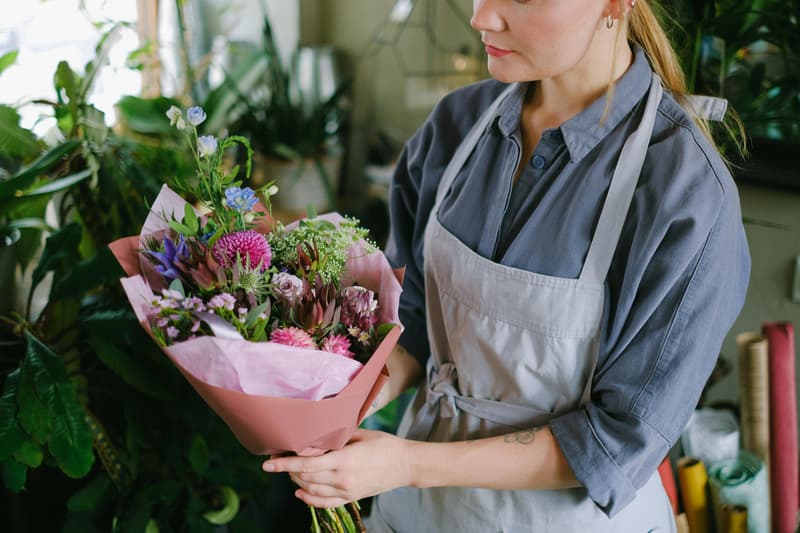
Photo by Anna Shvets
Quality florists source directly from trusted growers, maintain proper cold-chain storage, and condition their stock carefully. When you order from a provider like Flowers Across Brisbane, for example, you're not just paying for a beautiful arrangement. You're investing in flowers that have been handled with care from farm to front door. That head start can add days to the life of your bouquet, making quality sourcing an essential and often overlooked part of long-lasting flower care.
When selecting or ordering flowers, look for these quality indicators:
Firm, upright petals with no browning or translucency at the edges
Tight or gently opening buds (not fully blown or drooping)
Clean, green stems without sliminess or discolouration
Vibrant, saturated leaf colour with no yellowing
Essential Care Steps: How to Make Your Flowers Last Longer at Home
1. Trim Stems at a 45-Degree Angle
This is a step you should not skip when bringing flowers home. Using clean, sharp scissors or secateurs (never a blunt knife or regular kitchen scissors), cut roughly 2–3 centimetres from the base of each stem at a 45-degree diagonal.
The angled cut serves two purposes: it creates a larger surface area for water absorption, and it prevents the flat base of the stem from resting flush against the bottom of the vase (which would restrict water uptake). Some experts suggest that cutting while holding the stem under running water or submerging it may help reduce air entering the stem and causing a blockage.
Repeat this trim every two to three days, as stem ends gradually seal over and reduce hydration efficiency.
2. Refresh the Water Every One to Two Days
Stagnant water is a breeding ground for bacteria, the exact microorganisms responsible for blocking stems and hastening flower death. Refreshing the vase water every one to two days dramatically reduces bacterial load and keeps the hydration pathway clean.
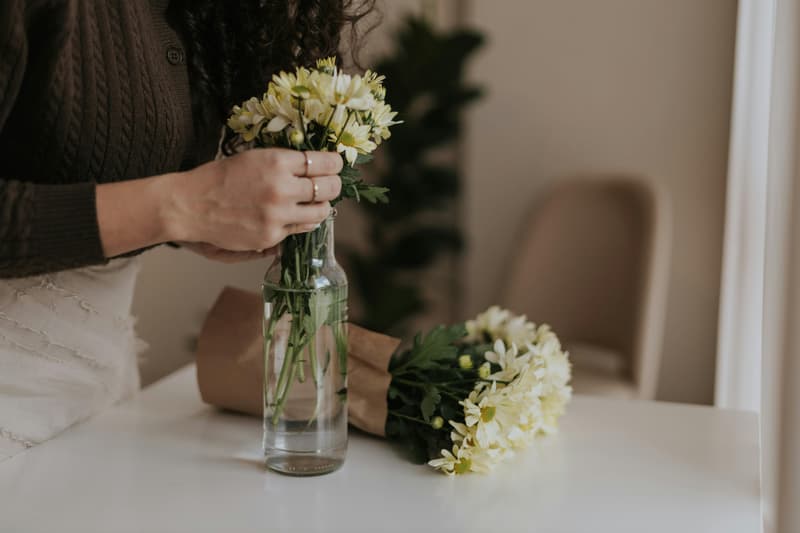
Photo by Letícia Alvares:
When you change the water, don't just top up; empty the vase completely, rinse it under clean running water, and refill with fresh, cool (not cold) water before returning your blooms. Lukewarm to cool water is generally ideal for most cut flowers, as it is more easily drawn up the stem than icy cold water.
3. Remove All Leaves Below the Waterline
Any foliage submerged in vase water will rot quickly, feeding bacterial populations that harm your blooms. Before placing flowers in a vase, take a moment to strip away all leaves from the lower portion of each stem, anything that would sit below the water surface.
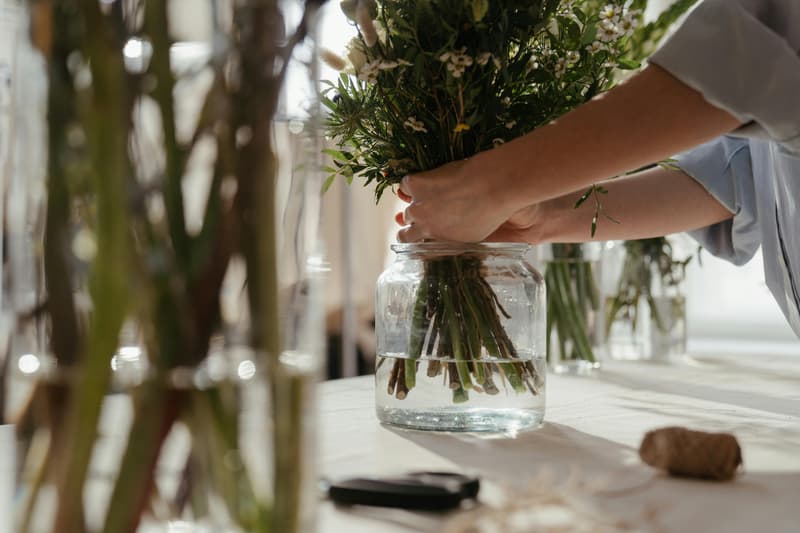
Photo by cottonbro studio:
This simple step is one of the most underrated longevity tricks available, and yet it's easy to overlook when you're excited to display a new arrangement. Make it a habit, and you'll notice a meaningful improvement in how long your flowers stay fresh.
4. Use Flower Food and Use It Correctly
Most florists include a small sachet of flower food with purchased bouquets, and for good reason. Flower food typically contains three key components: a carbohydrate (to feed the blooms), an acidifier (to lower pH and improve water uptake), and a biocide (to inhibit bacterial growth). Together, these ingredients can help extend vase life noticeably.
To use flower food effectively, always follow the dilution instructions precisely. Too concentrated and it can damage stems; too dilute and it's ineffective. When you change the water, add fresh flower food each time. If commercial flower food is unavailable, some people use a simple homemade mix of sugar, acid, and a very small amount of bleach, though results are less consistent, and too much bleach can damage stems.
5. Clean Your Vase Thoroughly Before Use
Residual bacteria and biofilm from previous flowers can shorten the life of a fresh arrangement considerably. Before placing any new blooms, wash your vase thoroughly with hot, soapy water, scrubbing the inside surfaces. For a deeper clean, you can sanitise the vase with a diluted bleach solution, then rinse it thoroughly before use.
6. Position Away From Heat, Direct Sunlight, and Ripening Fruit
Where you place your flowers matters just as much as how you prepare them. Avoid positioning arrangements in direct sunlight, near heaters, air conditioning vents, or on top of televisions or refrigerators, all of which generate heat or airflow that dries blooms faster.
Ripening fruit (particularly bananas, apples, and avocados) releases ethylene gas, a natural plant hormone that accelerates ripening and ageing. Keeping flowers away from the fruit bowl is a surprisingly effective way to extend their life. Similarly, if you have a cool room or a shaded bench area, it will serve your flowers far better than a warm, sunny spot.
Naturally Long-Lasting Flower Varieties and How to Help Them Thrive
While proper care enhances the longevity of all cut flowers, certain varieties are naturally hardier and will reward attentive home care with an impressive vase life. Knowing which flowers you're working with can help you tailor your approach.
Rosa (Roses)
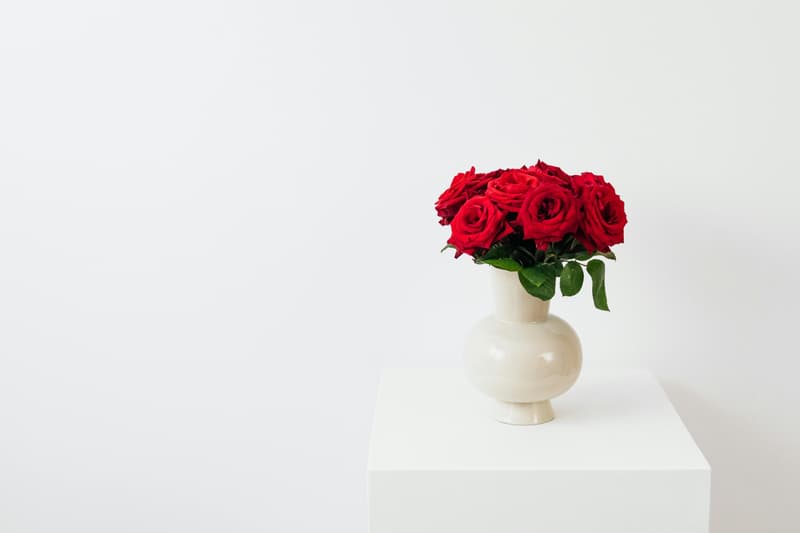
Photo by www.kaboompics.com: /
With proper care, roses can last 7–14 days or more. The key with roses is ensuring they are never allowed to dry out, even briefly. Re-cutting stems every few days and providing consistent fresh water is essential. Roses also benefit from having their outer petals (known as guard petals) gently removed, as these are often deliberately left on by florists to protect the inner bloom during transport.
Chrysanthemum
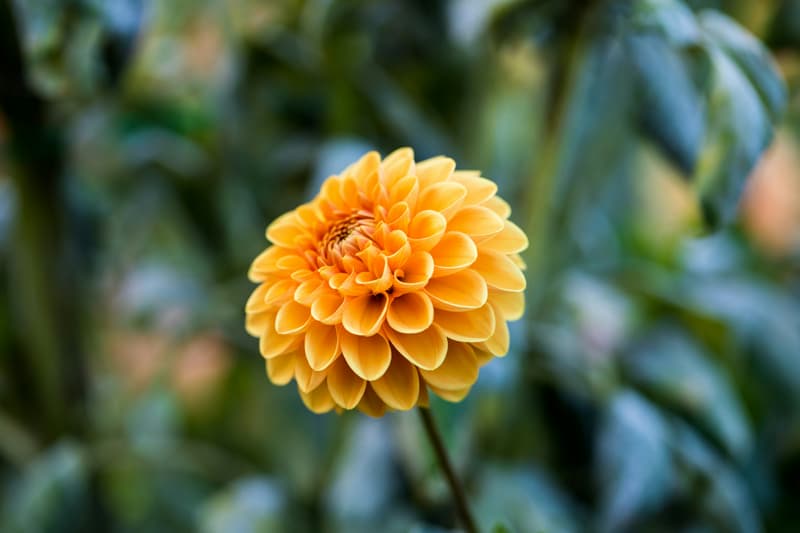
Photo by Jason Leung on Unsplash
Among the most long-lasting flowers available, chrysanthemums can remain vibrant for two to four weeks with attentive care. They handle water changes exceptionally well and tolerate slightly cooler room temperatures. Remove any foliage that would sit in the water, and pull away ageing leaves as needed to keep the arrangement tidy.
Alstroemeria (Peruvian Lily)
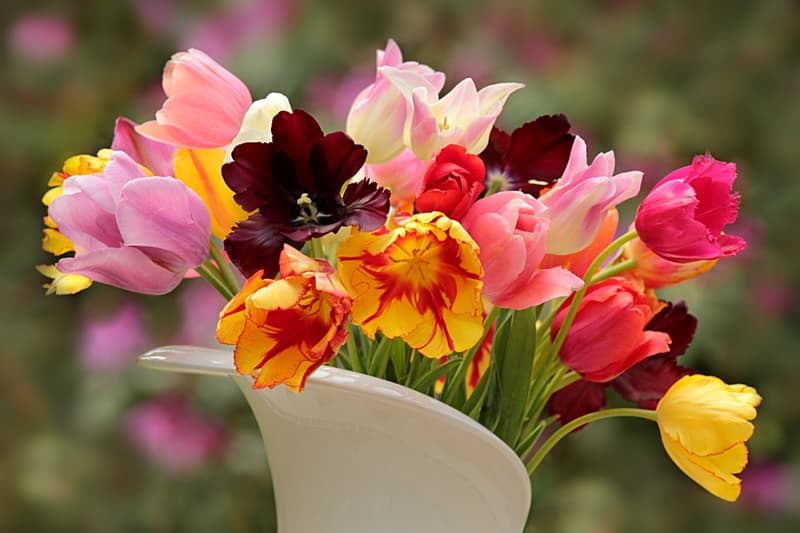
Image by Christiane from Pixabay
Alstroemeria is a florist's secret weapon for long-lasting arrangements, often staying fresh for two to three weeks. These blooms are also ethylene-sensitive, so keep them well away from the fruit bowl.
Carnation (Dianthus caryophyllus)
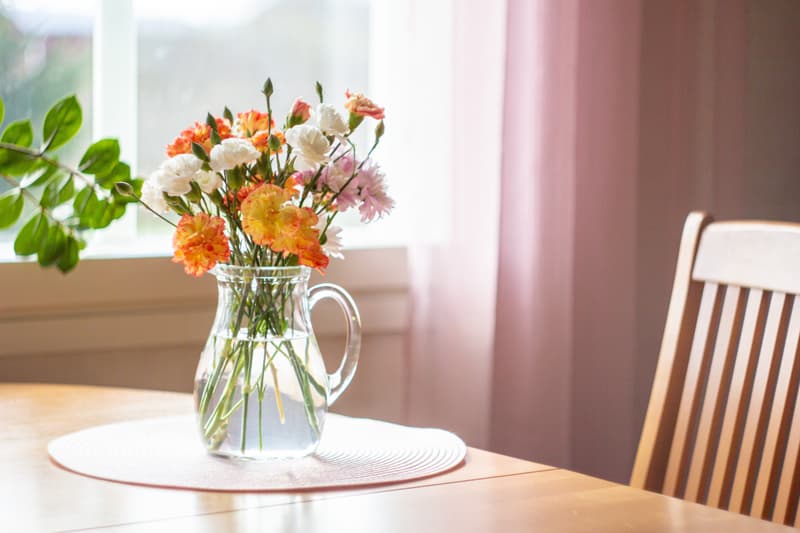
Image by Johanna Pakkala from Pixabay
Carnations are among the hardiest of all cut flowers and can regularly last three weeks or longer in home conditions. They respond particularly well to flower food and cool placement, and their multi-petal construction means they hold their shape beautifully long after other blooms have declined.
Lilium (Lilies)
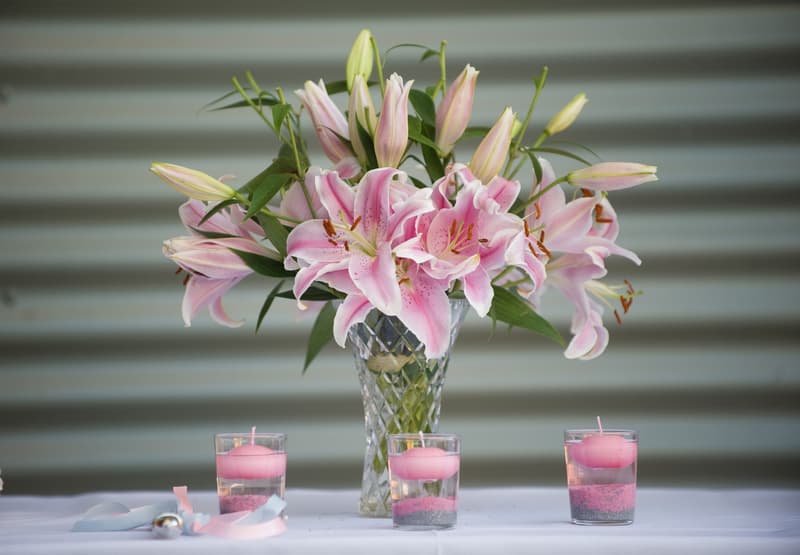
Image by Debbie Ryan from Pixabay
Oriental and Asiatic lilies offer extended vase life, often 10–14 days, and the bonus of continued blooming, as buds open sequentially over days. Remove the pollen-bearing anthers (the dusty orange tips of the stamens) as soon as flowers open; this prevents pollen from falling onto petals and staining them, while also potentially extending the life of individual blooms.
The Overnight Trick That Professional Florists Use
One of the best-kept secrets of professional florists is the overnight cooler technique. Flowers are naturally programmed to slow their metabolism in cooler temperatures; it's the same principle used to keep flowers fresh in refrigerated cold rooms at commercial florists.
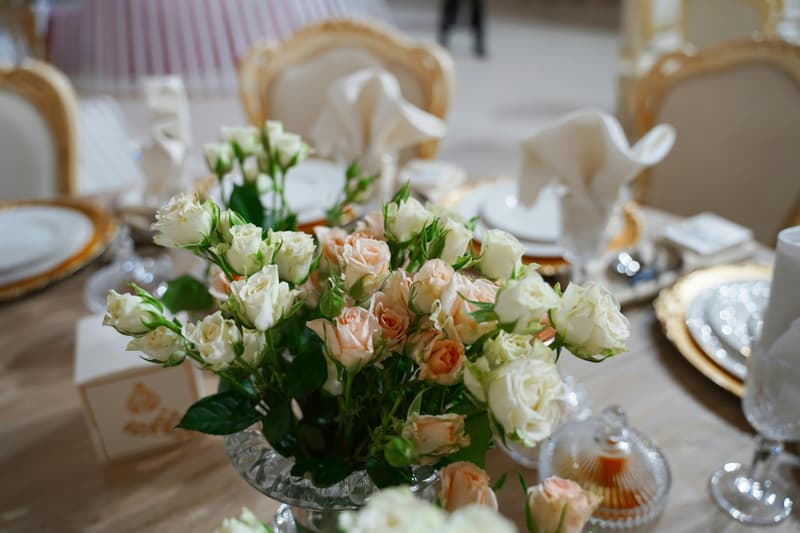
Photo by Denys Gromov:
At home, you can replicate this by placing your arrangement in a cool room, garage, or, if space allows, a cool refrigerator overnight, provided it is not packed with ripening fruit. Cool overnight conditions can help slow ageing and may extend vase life.
This approach is especially effective for roses and lilies, and is a technique worth adopting if you've invested in a special occasion bouquet that you want to preserve as long as possible.
The Benefits of Better Flower Care
Taking proper care of your flowers is about far more than aesthetics, though the aesthetic rewards are very real. Here's what dedicated flower care delivers in practical terms:
Better value for money: Long-lasting flowers mean your investment stretches further. A bunch that lasts two weeks rather than five days represents genuine savings, especially with premium arrangements.
Reduced waste: Flowers that last longer mean less frequent replacement and less organic waste. This has a genuine environmental dimension that often goes unrecognised.
Extended home décor: Fresh flowers genuinely improve the ambience of a living space. Longer-lasting flowers mean more days of enjoying that lifted atmosphere.
Preserved sentiment: When flowers mark a meaningful occasion, whether a birthday, an anniversary, or a moment of comfort, every extra day they last is another day that memory is kept alive in your home.
Why Buying From the Right Florist Makes All the Difference
All of the home care advice in this guide works most effectively when you begin with genuinely fresh, well-conditioned flowers. A bouquet sourced from a high-quality florist that prioritises freshness at every stage of the supply chain gives your care efforts the best possible foundation.
Trusted providers like Flowers Across Brisbane understand that long-lasting flowers are not just a benefit for customers; they're a reflection of the florist's standards, sourcing practices, and genuine commitment to quality. When flowers are properly cold-stored, efficiently handled, and dispatched at peak freshness, the difference in home vase life is measurable and meaningful.
Before you order, it's worth asking your florist a few simple questions: How recently was this stock sourced? Are the blooms locally grown or imported? How are they stored before dispatch? A quality florist will answer these questions with confidence because the answers will always reflect positively on their product.
Your Quick-Reference Checklist for Long-Lasting Flowers at Home
Keep this list somewhere handy; it takes no more than five minutes to follow and will add days to the life of every bouquet you bring home:
On arrival: Trim stems at 45° with clean, sharp scissors, preferably under water
Remove all leaves that will sit below the waterline
Use a thoroughly cleaned vase filled with fresh, cool water plus flower food
Position away from direct sunlight, heat sources, and ripening fruit
Change water every 1–2 days, re-cutting stems each time
Overnight: move the arrangement to a cool room or refrigerator if possible
Remove spent blooms promptly so they don't affect the others
Start with high-quality, fresh flowers from a reputable florist
Final Thoughts: A Little Care Goes a Long Way
Long-lasting flowers at home are not a matter of luck, but the result of a small number of consistent, science-informed habits combined with the right starting point. By understanding what flowers need (clean water, clear stems, cool conditions, and minimal bacterial interference) and responding accordingly, you give every bloom the best possible chance to flourish.
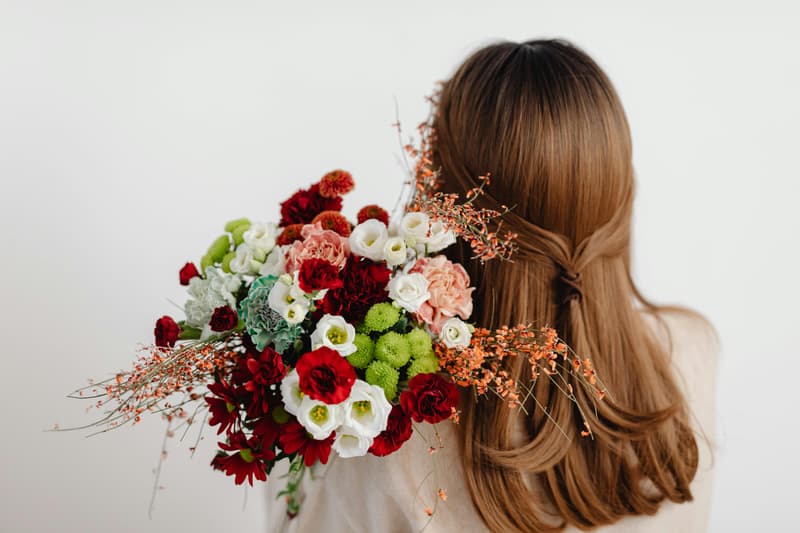
Photo by www.kaboompics.com:
And it all begins before the flowers even arrive at your door. When you choose a florist who takes freshness seriously, who sources premium stock, handles it with care, and delivers at peak condition, you're already halfway to a vase life that will impress you.
Whether you're treating yourself to a weekly bunch of chrysanthemums, sending a special arrangement of roses to someone you love, or filling your home with alstroemeria for a gathering, the care you put in and the quality you start with will always show. Beautiful, fresh, long-lasting flowers are entirely within reach.