Smart Garden Tools in Australia: Tips for Integrating Technology into Gardening Practices
Gardening has always been a blend of curiosity, patience and the quiet joy that comes from watching something grow under your care. Over the last decade, a new element has become an important part of this experience: smart gardening technology. These tools are reshaping how people garden at home, helping beginners and experienced growers alike understand their plants better, conserve water and make garden care easier to manage in busy lives.
Across Australia, gardeners are discovering how small pieces of technology can remove guesswork, provide helpful insights and even prevent common problems before they begin. From soil sensors to app-connected watering systems, smart garden tools offer more confidence with plant care while still leaving room for the hands-on pleasure of tending flowers, herbs and edible greens.
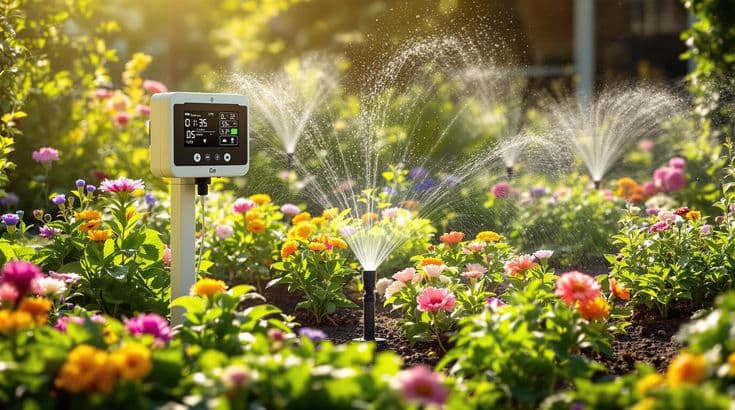
In this article, we explore how modern gardening meets smart tech in your backyard, balcony or indoor space. You will find practical examples of how you can use technology to overcome challenges such as inconsistent watering, unpredictable weather and limited gardening space. You will also learn what to consider before adopting smart garden gadgets, including costs, climate suitability and how to choose tools that genuinely fit your gardening goals. Whether you are caring for roses, nurturing native flowers or experimenting with leafy greens on your apartment balcony, there are smart solutions that can support you.
What Are the Most Popular Smart Garden Tools in Australia?
Smart garden tools are gardening devices that use sensors, automation or mobile apps to help you monitor or manage your plants. Some of the most popular categories include:
Soil moisture sensors
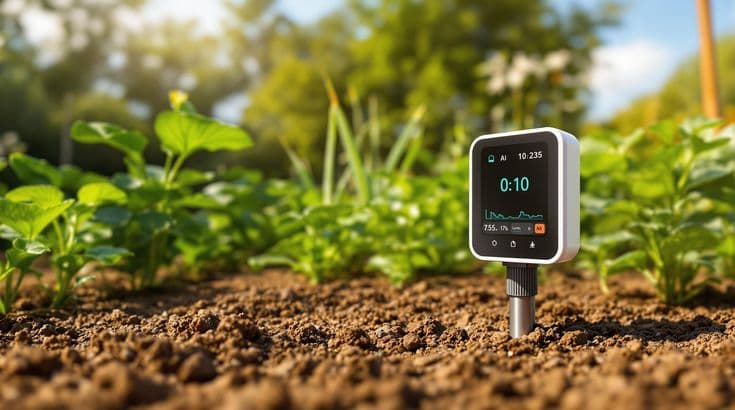
Small probes that sit in the soil and measure how wet or dry it is. Many connect to an app and notify you when it is time to water.
App-controlled irrigation systems
These are watering systems that you can adjust from your phone. They allow you to turn watering on or off, schedule routines and check water use statistics.
Smart weather stations
Compact outdoor devices that track temperature, humidity, rainfall and sunlight. They help gardeners understand their microclimate, which is particularly useful in Brisbane, where the weather changes quickly.
Plant health trackers
Sensors or small devices that measure light levels, temperature, humidity and sometimes even soil nutrition. They help you troubleshoot issues such as yellowing leaves or poor flowering.
Indoor garden hubs
Countertop or vertical garden systems with built-in lights and watering cycles. They are ideal for Brisbane gardeners living in apartments or homes with limited outdoor light.
Garden cameras
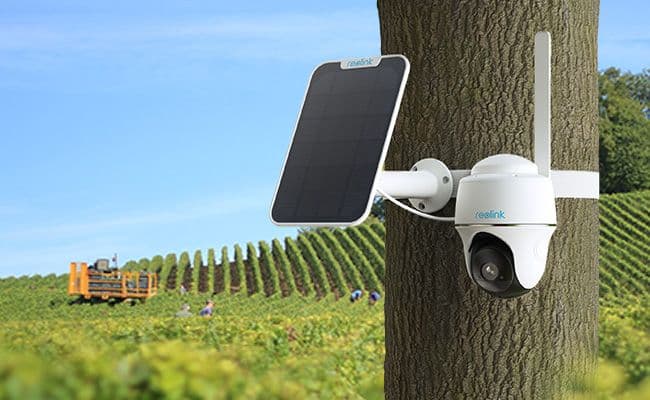
Small cameras that help gardeners keep an eye on their plants, track wildlife activity or ensure that irrigation is working correctly.
While some of these tools use sophisticated technology, they are designed to be simple for everyday gardeners. Many only require you to download an app and connect your device through Bluetooth or Wi-Fi. For most people, the learning curve is short and the benefits are quick to appear.
Why Smart Gardening Matters in Brisbane
A Subtropical Climate with Unique Challenges
Brisbane is a wonderful place to grow plants thanks to its warm temperatures, mild winters and generous rainfall during the humid season. However, the subtropical climate also brings variability. This includes sudden storms, long dry periods, sun-intense afternoons and unpredictable seasonal shifts. Smart garden tools can support gardeners in several ways.
Managing inconsistent rainfall
Moisture sensors and weather-linked irrigation systems help avoid both overwatering and underwatering. This is especially helpful when Brisbane’s seasonal change from heavy rain in summer to extended dry spells later in the year.
Protecting plants from heat stress
Smart weather stations track temperature and UV exposure. Alerts can notify you to move vulnerable pots into shade or increase watering frequency for thirsty summer-flowering plants.
Supporting balcony and indoor gardeners
Many Brisbane residents live in apartments or smaller homes. Plant health trackers and indoor garden hubs make it easier to grow herbs, flowers and leafy greens without needing a large outdoor area.
Helping new gardeners learn faster
Smart tools provide real-time data that helps beginners understand the needs of their plants. This feedback can massively improve confidence and reduce plant losses.
Scenario-Based Stories That Show How Smart Tech Solves Real Gardening Problems
How a Moisture Sensor Can Save Your Flowers in the Summer Heat
Many gardeners experience the same issue every year. Potted flowers that look super fresh and healthy in the first part of the day can become wilted by late afternoon. Containers heat up quickly in the subtropical sun, which causes soil to dry much faster than expected.
A moisture sensor can make a noticeable difference. When placed into the potting mix of petunias, geraniums or marigolds, the sensor monitors moisture levels throughout the day. Instead of guessing when to water, you receive a clear alert on your phone when the soil drops below the ideal level. This helps you water at the right time, often early in the morning before the hottest part of the day.
The result is that flowering plants remain consistently hydrated. They produce stronger blooms, fewer leaves scorch in the heat, and you avoid the cycle of overwatering in the evening followed by root stress. It is a simple tool that helps even seasoned Brisbane gardeners avoid mid-summer losses.
How an App-Controlled Irrigation System Can Support Your Backyard Garden
Backyard gardeners often rely on traditional watering timers that run on fixed schedules. The problem is that the weather in the region can shift quickly. A week of rain might be followed by a hot, dry spell, or afternoon storms might interrupt your standard watering routine.
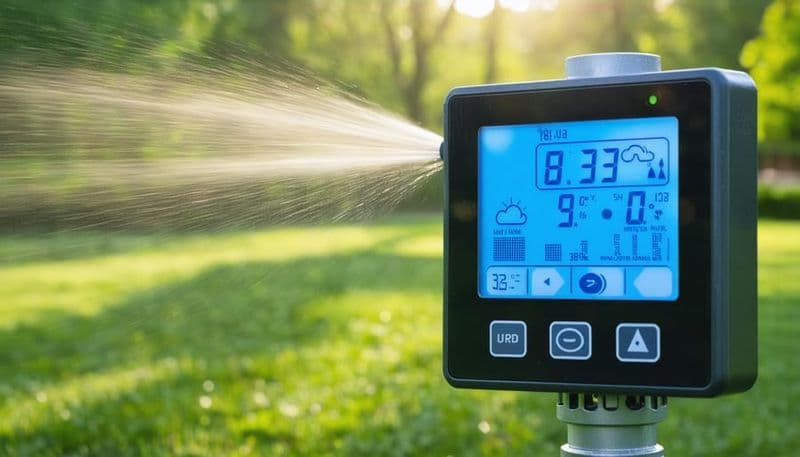
An app-controlled irrigation system responds better to this variability. Once connected to your hoses or drip lines, you can adjust watering times remotely. During a rainy week in Brisbane’s wet season, you can skip a watering cycle entirely. During a sudden dry spell, you can extend watering slightly from your phone without going outside in the heat.
This kind of control helps your tomatoes, native shrubs or lawn receive water only when it is truly needed. Home gardeners often notice healthier growth, fewer fungal problems and lower water bills. For busy families or anyone who travels, peace of mind is even more valuable.
How a Plant Health Tracker Can Improve Indoor Herb Gardens
Growing indoor herbs can be tricky. Homes vary widely in their natural light levels, and air conditioning can quickly dry out the air. It is common for basil, mint or coriander to become leggy, pale or slow-growing without a clear explanation.
A plant health tracker clarifies the problem by measuring light intensity, temperature and humidity. If your kitchen window receives less than the recommended amount of light or your air conditioning drops the humidity too low, the tracker identifies it.
From there, you can move your herbs to a brighter room, increase humidity or add a small grow light. Many indoor gardeners are surprised to find that even a modest adjustment can create fuller leaves and steady growth throughout all seasons.
How a Smart Weather Station Helps You Understand Your Microclimate
Brisbane is known for its microclimates. Suburbs only 15 minutes apart can experience different rainfall, wind patterns and sunlight levels. For gardeners, this can make plant placement confusing. A location that seems sunny in autumn might offer too much intense light in summer.
A smart weather station provides personalised insights by tracking UV levels, humidity, temperatures and rainfall directly in your garden. Over weeks and months, you build a clearer picture of how conditions shift throughout the year. This helps you decide where to plant sun-sensitive flowers, when to mulch heavily or how often to water in early summer versus mid-summer.
Gardeners often discover that slight adjustments, such as moving a pot one metre to the left or adding temporary shade during heat waves, can transform plant health.
A Practical Guide to Smart Garden Tools Australia
What You Can Use and How It Helps Your Plants
Below is an overview of popular categories of smart garden tools that Australian gardeners can explore. Each tool is described with practical advice for Brisbane weather patterns and garden types.
Soil Moisture Sensors
Good for: pot plants, garden beds, balconies, herbs and flowers in containers.
Moisture sensors are among the simplest and most useful smart tools. They give accurate moisture levels so you can prevent problems like waterlogged roots or soil that becomes too dry. Brisbane’s heat and humidity can cause soil to dry quickly on some days and hold water on others. A sensor helps you avoid surprising changes.
Choose sensors designed for outdoor Australian conditions because some cheaper models deteriorate in intense sunlight or heavy rain. Look for ones that send app notifications and offer long battery life.
App-Connected Irrigation Controllers
Good for: backyards, raised beds, flower borders and lawns.
Traditional timers water on a fixed schedule regardless of the weather. App-controlled systems give you more control and allow you to adjust watering easily. Many link to local weather data so the system can skip watering during Brisbane’s frequent summer storms.
Pick a system that is compatible with your existing hoses or drip irrigation. Many Brisbane gardeners find that simple drip lines paired with a smart controller reduce water waste significantly.
Smart Weather Stations
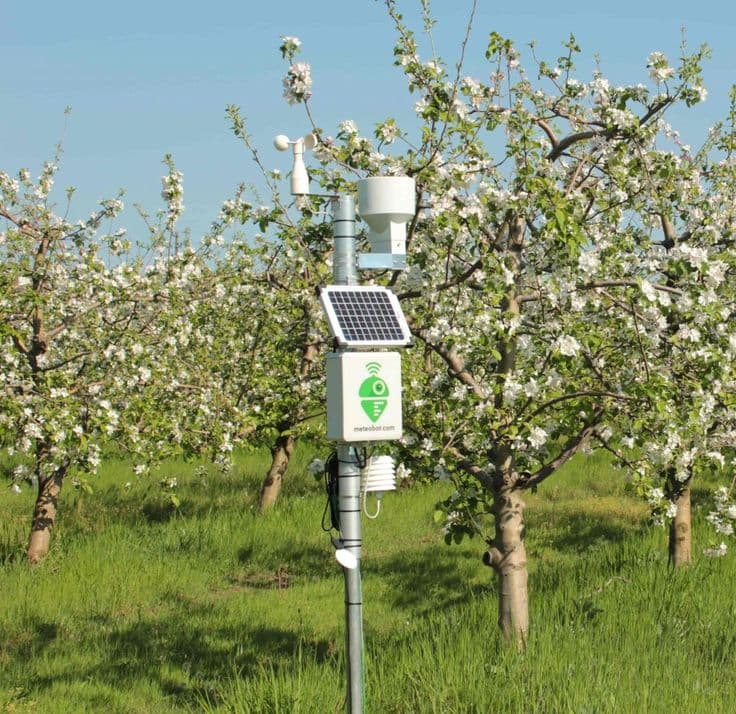
Good for: gardeners who want deeper insights into their microclimate.
Weather patterns vary across Brisbane. Suburbs such as Indooroopilly or The Gap may receive different rainfall or sunlight levels compared with suburbs closer to the coast. A smart weather station gives you personalised data so you can adjust watering or plant placement more accurately.
Weather stations help with planning. They allow you to track seasonal patterns, identify windy spots that may stress plants or notice when temperatures stay high overnight. This data is especially useful for anyone growing flowers that prefer mild conditions.
Plant Health Trackers
Good for: indoor plants, balconies and shaded outdoor areas.
Small devices, such as light and humidity trackers, help you understand why indoor or balcony plants may be struggling. Brisbane homes often have warm but unpredictable lighting. A tracker shows whether your plant receives enough sun, too much sun or sits in an area with dry air from air conditioning.
These tools are helpful for troubleshooting. Instead of guessing why leaves turn yellow or why a plant stops flowering, you can check your data and make adjustments confidently.
Smart Pots and Indoor Growing Systems
Good for: apartments, kitchens, indoor herb gardens and low-light homes.
Smart pots control watering and sometimes lighting automatically. They are ideal for anyone who wants homegrown herbs without complex care routines. For Brisbane residents living in apartments, indoor growing systems allow year-round growth of basil, dill, coriander and lettuce.
Choose systems with energy-efficient lights and easy-to-refill water tanks. Many are compact, stylish and designed for modern kitchens.
Outdoor Garden Cameras
Good for: wildlife lovers, troubleshooting garden issues and checking irrigation.
While not essential, a garden camera can be surprisingly practical. It helps you keep an eye on irrigation spray patterns, check whether possums or birds are visiting your plants or observe flower growth and opening over time.
Cameras are especially useful for gardeners who work long hours or travel regularly.
What to Consider Before Using Smart Garden Tools & Choosing What Works for Your Budget, Lifestyle and Climate
Smart garden tools are helpful, but not every tool suits every gardener. Before buying anything, consider the following.
Cost
Some tools are very affordable, such as basic moisture sensors, while others, like weather stations and indoor growing systems, cost more. Think about what problem you are trying to solve. If watering is your main challenge, start with an irrigation controller or moisture sensor instead of buying multiple tools at once.
Climate Suitability
Brisbane’s subtropical climate is warm, humid and sometimes harsh. Choose devices that specify outdoor durability for Australian conditions. Look for materials that can withstand UV exposure, heavy rain and high moisture.
Compatibility with Small Spaces
Balcony gardeners should consider compact tools. For instance, one compact light and moisture tracker might be more practical than installing a complete weather station. Indoor gardeners should choose lightweight systems with small footprints.
App Ease of Use
Pick devices with apps that are simple and clear. Most brands allow you to preview the app interface before buying. If you are not tech-savvy, choose products with basic features rather than advanced automation.
The Balance Between Tech and Hands-On Gardening
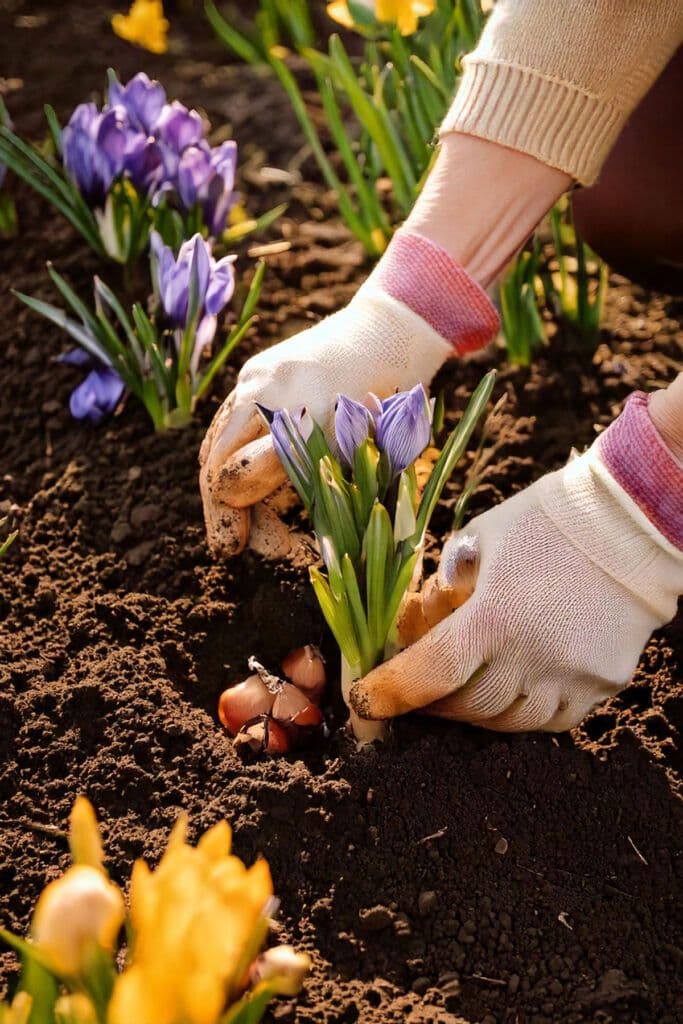
Many gardeners love the hands-on side of caring for plants, from feeling the soil to trimming leaves and watering themselves. Smart tools should support this connection, not replace it. Think of them as companions that help you understand your plants more deeply, not substitutes for the hands-on joy.
How to Start With Smart Gardening: Simple Steps for Australian Gardeners
You do not need to turn your garden into a fully automated smart space. Many gardeners use one or two tools that make a significant difference. Here is how to begin.
Step One
Identify a garden challenge. Do your plants dry out too quickly? Do indoor herbs look pale? Do you forget to water pot plants after long workdays? Start with one simple problem.
Step Two
Choose one tool that solves it. If watering is inconsistent, a moisture sensor may be enough. If the weather confuses your garden planning, try a small weather station. If indoor plants are struggling, use a plant health tracker.
Step Three
Observe the results. Smart tools provide data. Use it to learn about your garden’s natural rhythm. You might discover that your balcony receives more afternoon sun than you expected or that your indoor fern prefers a slightly more humid room.
Step Four
Adjust your routine. Smart gardening is not about automation. It is about informed care. Use the insights to water more accurately, move plants to better spots or improve soil quality.
Step Five
Add more tools only if you find them helpful. There is no need to buy everything at once. Start small and grow confidently.
Smart Gardening for Different Types of Gardens
Backyards: Families with outdoor spaces benefit most from smart irrigation and weather stations. These tools help maintain consistent watering during busy weeks and keep water bills reasonable.
Balconies: Smart trackers for light and moisture are ideal. They help identify the best positions for flowers or herbs that receive intense afternoon sun.
Indoor Gardens: Indoor growers will appreciate compact systems that provide reliable lighting and watering. Many Brisbane residents who cook frequently find that indoor herb systems keep their plants alive much longer.
Community Gardens: Some community gardens in Brisbane already use smart weather stations and shared irrigation systems. Volunteers appreciate the ability to monitor growing conditions even when they are not on site.
The Joy of Gardening with Technology: Embracing Innovation While Staying Connected to Nature
Smart gardening tools are not designed to replace the heart of gardening. They simply offer support where humans can struggle with timing, busy schedules or unpredictable weather. Many gardeners find that technology deepens their connection to plants. Instead of guessing, they understand the needs of their flowers and herbs more clearly. This leads to healthier plants, more confidence and a more enjoyable gardening experience.
Smart tools can also make gardening more accessible for people who are new to plant care or who have limited mobility. Automation means less physical effort and more time spent appreciating colourful blooms and lush greenery.
Final Encouragement: Start Small and Let Technology Support You
Whether you garden on a balcony in South Brisbane, a backyard in Chermside or an indoor corner of your Toowong apartment, smart gardening tools can help you grow flourishing plants with less stress. Begin with one or two tools that address your biggest gardening challenge. Learn how your plants respond and build your confidence gradually.
Remember that technology is here to support the joy of gardening, not replace it. The most rewarding moments still come from your time spent noticing new buds, touching fresh leaves and watching your garden respond to your care.
With the right choice of smart garden tools in Australia, your gardening experience in Brisbane can become more informed, more efficient and even more enjoyable.